



Valves: Complete Guide to Types, Uses, and Applications
Valves – The Heart of Every Piping System
Valves are one of the most important components in any piping system. They control, regulate, and direct the flow of liquids, gases, and steam. Without valves, industrial operations would struggle to maintain safety, efficiency, and performance.
From water treatment plants to oil refineries, valves help manage flow and pressure with precision. Whether you are building a new pipeline or upgrading an existing system, selecting the right valve is essential.
At Atul Pipe Company, we understand that every industry has different requirements. Choosing the correct valve can improve system reliability, reduce downtime, and lower maintenance costs.
In this guide, you’ll learn about valve types, applications, benefits, and practical tips for selecting the right solution.
What Are Valves?
Valves are mechanical devices designed to control the movement of fluids through a pipeline. They can start, stop, regulate, or redirect flow depending on operational requirements.
Most valve systems are designed to:
Control fluid flow
Regulate pressure
Prevent backflow
Isolate sections of pipelines
Improve operational safety

Why Are Valves Important?
Valves play a critical role in industrial operations. Even a small valve failure can affect production, safety, and efficiency.
Key Benefits of Valves
Better flow control
Improved system safety
Reduced energy loss
Easier maintenance
Increased equipment protection
Enhanced operational efficiency
Real-World Example
In a water treatment plant, operators use valves daily to regulate water flow between filtration units. A properly selected valve helps maintain consistent pressure and prevents system disruptions.
Types of Valves
Different applications require different valve designs. Each type serves a specific purpose.
1. Gate Valves
Gate valves are mainly used for fully open or fully closed operations.
Best For:
Water supply systems
Oil and gas pipelines
Industrial utilities
Advantages:
Minimal pressure drop
Excellent shut-off capability
Long service life
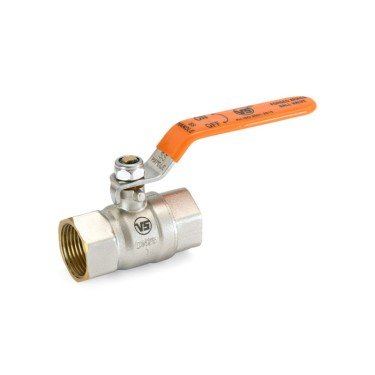
2. Ball Valves
Ball valves use a rotating ball with a bore to control flow.
Best For:
Fast shut-off applications
Chemical processing
Water systems
Advantages:
Quick operation
Reliable sealing
Low maintenance
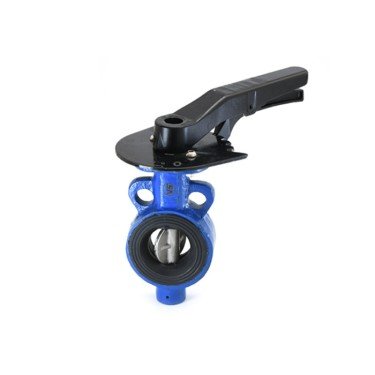
3. Butterfly Valves
Butterfly valves use a rotating disc to regulate flow.
Best For:
Large pipelines
Water distribution systems
HVAC applications
Advantages:
Lightweight design
Compact installation
Cost-effective solution
4. Globe Valves
Globe valves are designed for precise flow regulation.
Best For:
Flow control applications
Steam systems
Cooling water circuits
Advantages:
Accurate flow adjustment
Reliable performance
Good throttling capability
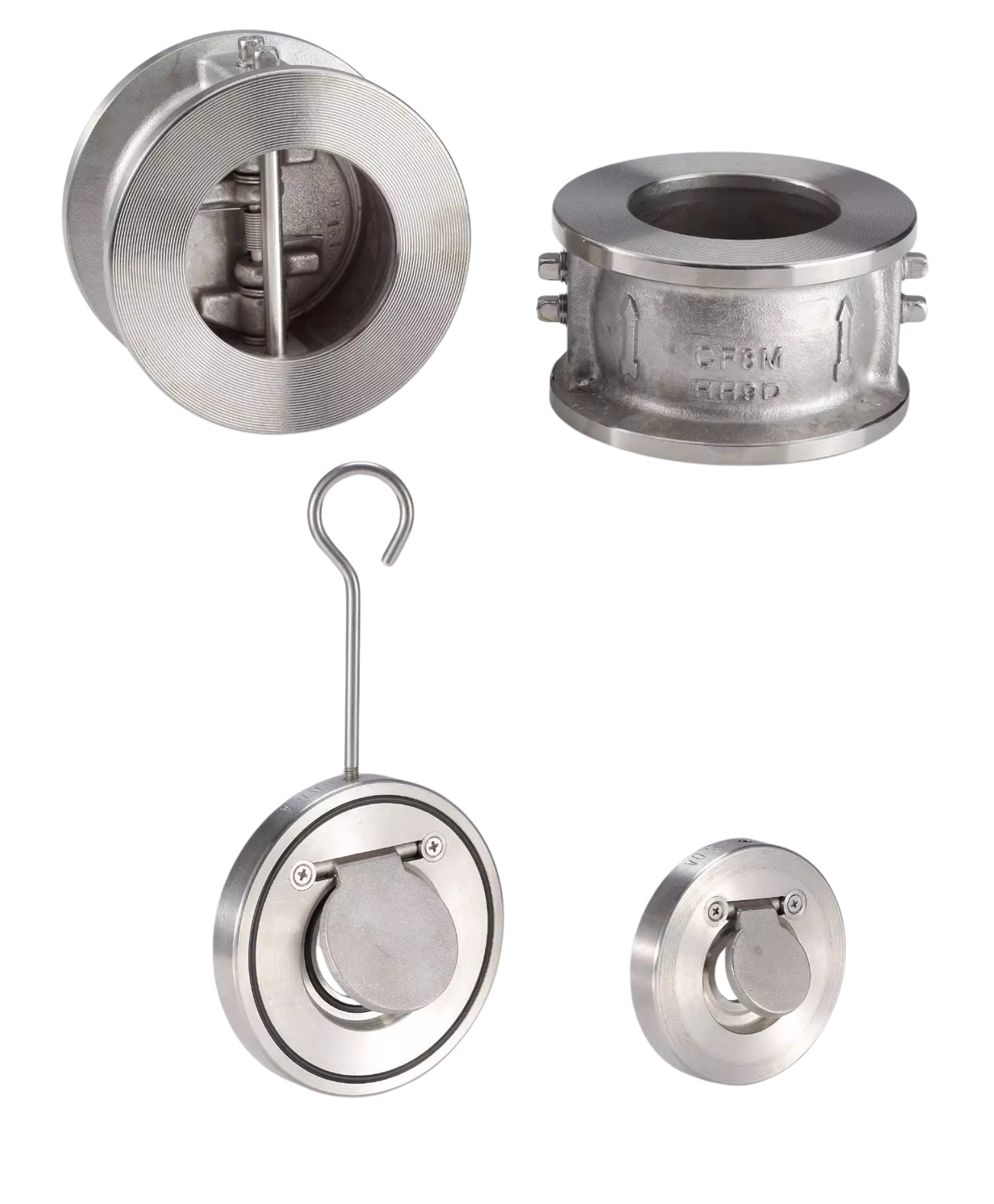
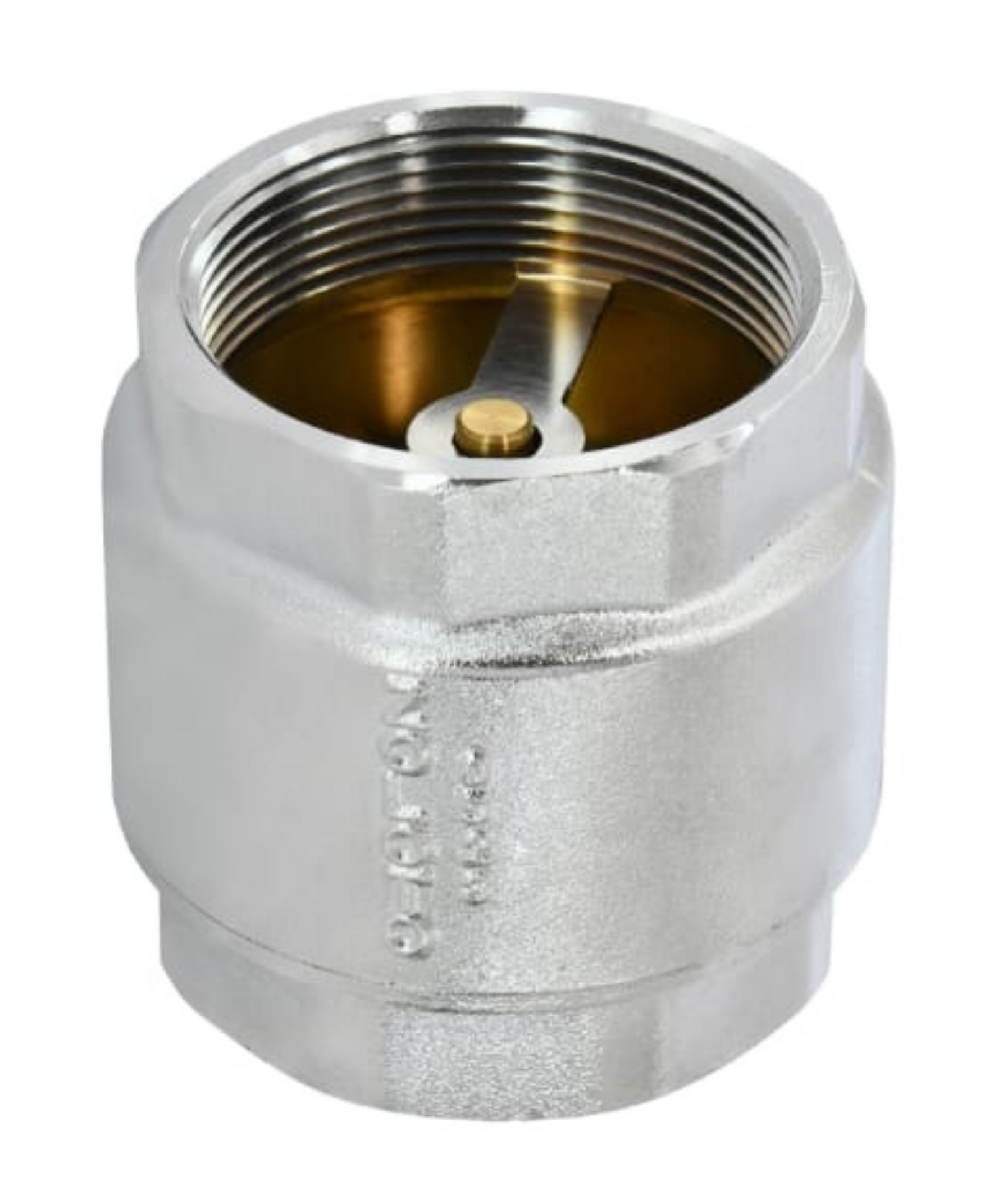
5. Check Valves
Check valves allow flow in one direction only.
Best For:
Pump protection
Backflow prevention
Water distribution systems
Advantages:
Automatic operation
Prevents reverse flow
Protects equipment
6. Plug Valves
Plug valves use a cylindrical or tapered plug to control flow.
Best For:
Chemical plants
Gas distribution systems
Utility pipelines
Advantages:
Simple design
Fast operation
Reliable sealing
Valve Comparison Table
Common Applications of Valves
Valves are used across nearly every major industry.
Oil and Gas Industry
Valves control the flow of crude oil, natural gas, and refined products while ensuring operational safety.
Water Treatment Plants
Municipal and industrial water systems depend on valves to regulate flow and maintain treatment efficiency.
Chemical Processing
Specialized valves handle corrosive chemicals and maintain safe operating conditions.
Power Generation
Power plants use valves in steam, cooling water, and fuel systems.
Food and Beverage Industry
Valves help maintain hygiene and process control during production.
Construction and Infrastructure
Commercial buildings and industrial facilities rely on valves for plumbing, HVAC, and utility systems.
How to Choose the Right Valve
Selecting the right valve requires careful evaluation.
Consider the Fluid Type
Different fluids require different materials and sealing systems.
Understand Pressure Requirements
High-pressure applications need stronger valve designs and materials.
Check Temperature Conditions
Extreme temperatures can impact valve performance and lifespan.
Evaluate Flow Control Needs
Some systems require simple shut-off, while others need precise regulation.
Consider Maintenance Access
Easy-to-maintain valves can reduce downtime and operating costs.
Practical Industry Tip
Many buyers focus only on the initial price. However, long-term reliability, maintenance requirements, and operating conditions often matter more than purchase cost.
Valves Used Across India
Industries throughout Delhi, Mumbai, Ahmedabad, Chennai, Pune, Hyderabad, Bengaluru, and Kolkata rely on industrial valves every day.
As infrastructure and manufacturing continue to grow across India, demand for durable and efficient valve solutions is increasing rapidly.
Whether it’s a chemical plant in Gujarat, a power station in Maharashtra, or a water treatment facility in Delhi, quality valves remain a critical part of system performance.
Why Valve Quality Matters
Low-quality valves can create serious operational challenges.
Common Problems with Poor-Quality Valves
Leakage issues
Pressure loss
Frequent maintenance
Equipment damage
Unexpected downtime
Benefits of Quality Valves
Reliable operation
Better safety
Longer service life
Lower maintenance costs
Improved process efficiency
Investing in quality valves often saves money over the life of the system.
Frequently Asked Questions About Valves
What is the main purpose of a valve?
A valve controls, regulates, or stops the flow of liquids, gases, or steam within a piping system.
Which valve is best for shut-off applications?
Ball valves are widely preferred for shut-off applications because they provide reliable sealing and quick operation.
What is the difference between a gate valve and a globe valve?
Gate valves are mainly used for on-off service, while globe valves are designed for flow regulation and throttling.
How do I choose the right valve?
Consider fluid type, pressure, temperature, flow requirements, and maintenance needs before selecting a valve.
Where are industrial valves commonly used?
Industrial valves are used in oil and gas, water treatment, chemical processing, power generation, manufacturing, and construction projects.
Can valves prevent backflow?
Yes. Check valves are specifically designed to prevent reverse flow and protect equipment.
How often should valves be inspected?
Inspection frequency depends on operating conditions, but routine maintenance helps improve safety and extend valve life.
Conclusion
Valves are essential for controlling flow, maintaining safety, and improving efficiency in modern piping systems. The right valve can enhance performance, reduce maintenance costs, and support reliable operations across a wide range of industries.
Atul Pipe Company offers dependable valve solutions designed to meet industrial requirements across India. Whether you need valves for water systems, process industries, or infrastructure projects, selecting the right valve is an important step toward long-term operational success.