

Flanges: Complete Guide to Types, Uses, and Applications
Flanges for Reliable and Secure Pipe Connections
Flanges play a vital role in modern piping systems. They help connect pipes, valves, pumps, and other equipment securely. Whether it is an industrial plant, water treatment facility, oil refinery, or construction project, flanges ensure strong and leak-proof connections.
At Atul Pipe Company, we understand how important the right flange is for system performance and safety. Choosing the correct flange can improve efficiency, reduce maintenance, and increase the lifespan of your piping network.
In this guide, you will learn everything about flanges, including their types, applications, benefits, and how to choose the right one for your project.
What Are Flanges?
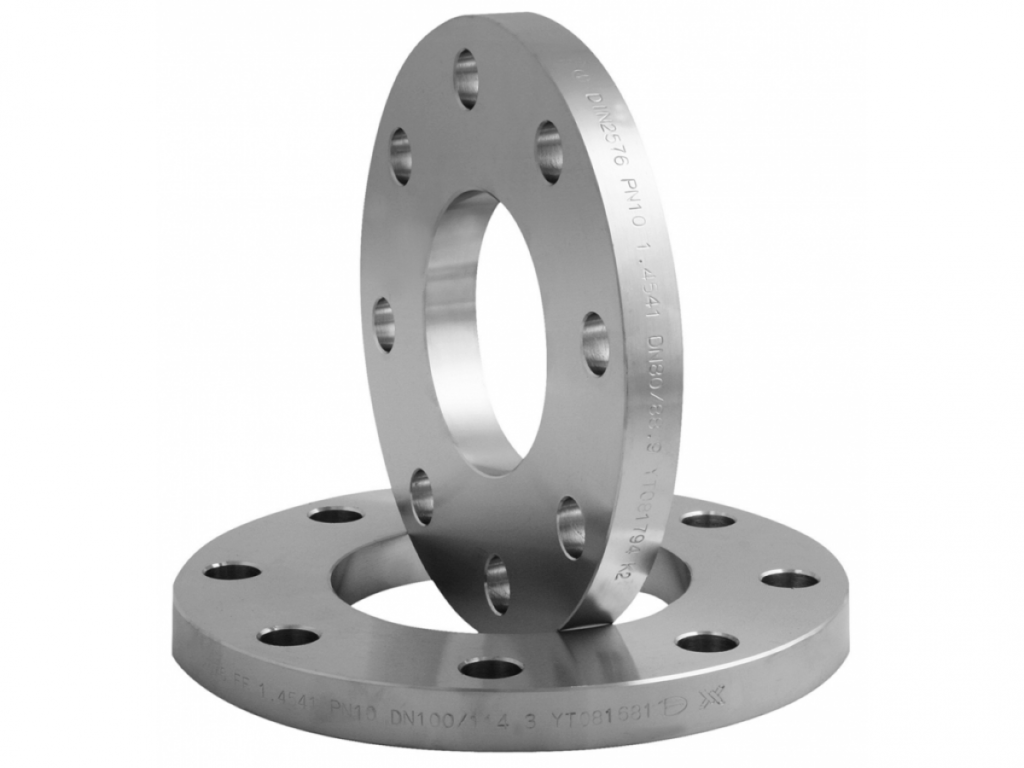
Flanges are mechanical components used to join pipes, fittings, valves, and equipment. They create a secure connection that can be assembled, inspected, and dismantled when required.
Most flanges are connected using:
Bolts and nuts
Gaskets for sealing
Standardized dimensions
This design makes maintenance easier compared to welded-only systems.
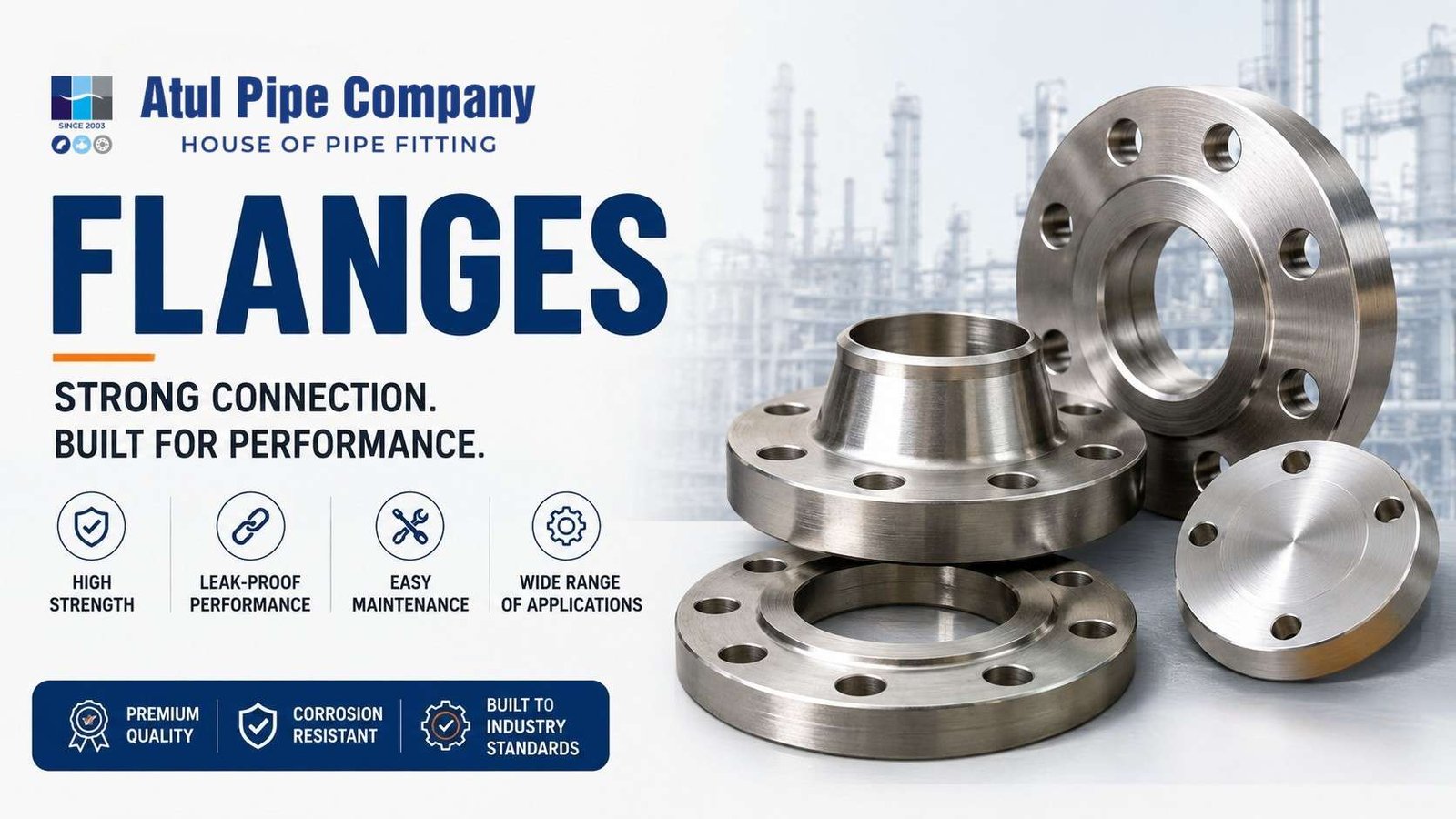
Simple Example
In a manufacturing plant, a damaged valve may need replacement. A flanged connection allows technicians to remove and replace the valve quickly without cutting the entire pipeline.
Types of Flanges
Different industries use different flange types depending on pressure, temperature, and application requirements.
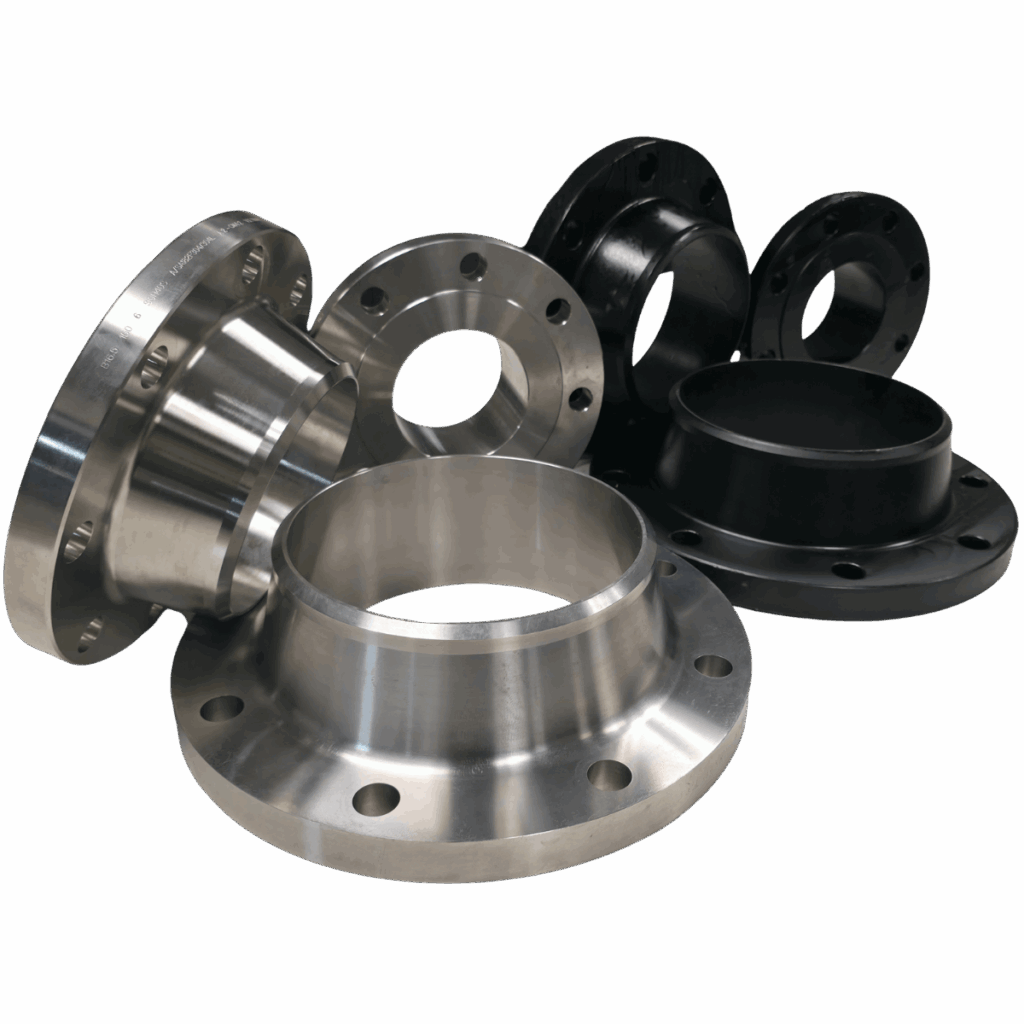
1. Weld Neck Flanges
Weld neck flanges feature a long tapered hub that provides excellent strength.
Best For:
High-pressure systems
High-temperature applications
Critical industrial operations
Advantages:
Strong connection
Reduced stress concentration
Long service life
2. Slip-On Flanges
Slip-on flanges slide over the pipe before welding.
Best For:
Low to medium pressure systems
General industrial applications
Advantages:
Easy installation
Cost-effective solution
Widely available
3. Blind Flanges
Blind flanges are used to seal or close the end of a pipeline.
Best For:
Future pipeline expansion
Pressure testing
Temporary shutdowns
Advantages:
Easy access for maintenance
Strong sealing performance
4. Socket Weld Flanges
Socket weld flanges are designed for smaller pipe sizes.
Best For:
High-pressure applications
Small-diameter pipelines
Advantages:
Smooth internal flow
Strong joint strength
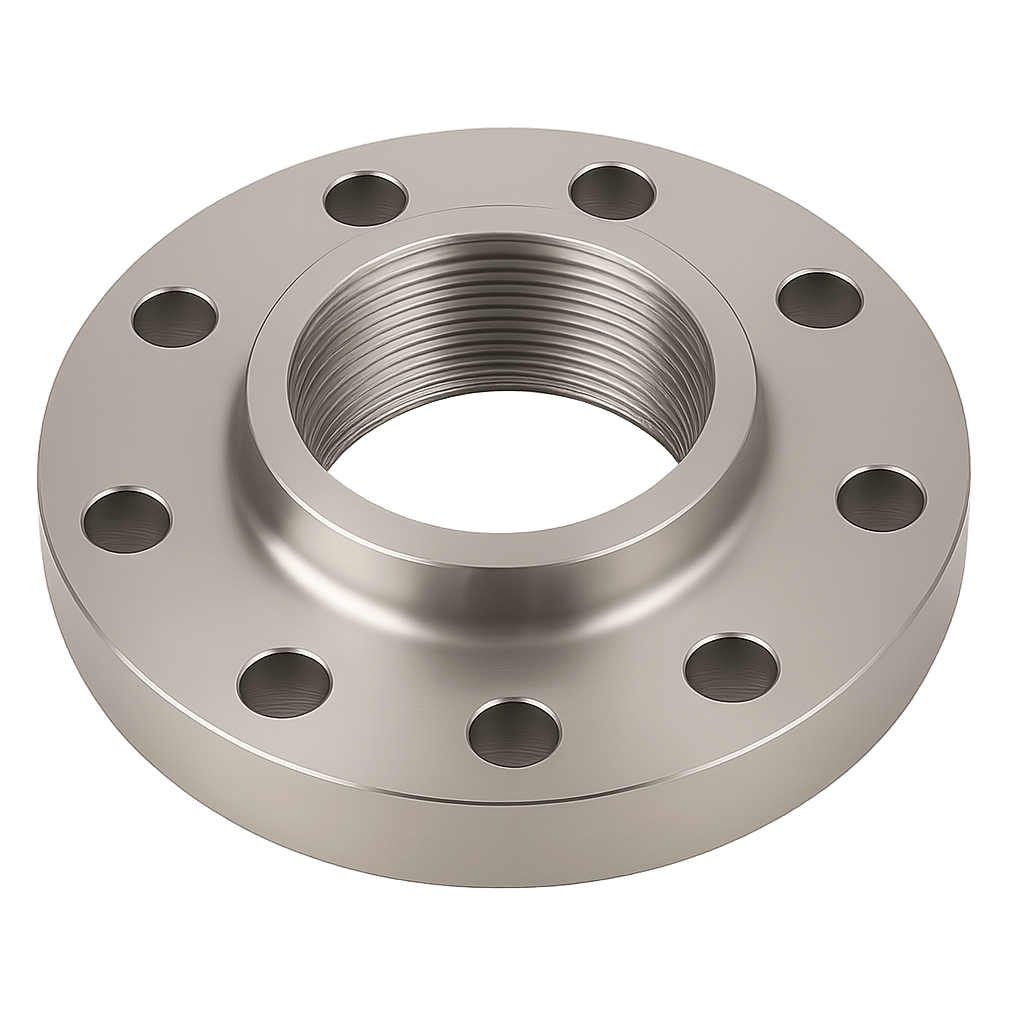
5. Threaded Flanges
Threaded flanges use internal threads instead of welding.
Best For:
Low-pressure systems
Locations where welding is difficult
Advantages:
Easy installation
No welding required
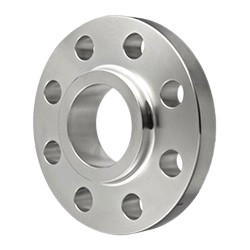
6. Lap Joint Flanges
Lap joint flanges work together with stub ends.
Best For:
Systems requiring frequent dismantling
Corrosive environments
Advantages:
Easy alignment
Reusable backing flange
Flanges Comparison Table
Key Benefits of Using Flanges
Choosing the right flange offers several operational advantages.
Easy Maintenance
Flanged connections can be opened without cutting pipes. This saves time and reduces maintenance costs.
Leak-Proof Performance
When installed with the correct gasket and bolts, flanges provide reliable sealing.
Flexibility
Piping systems can be modified or expanded more easily.
Strong Mechanical Strength
Many flange designs can withstand extreme pressure and temperature conditions.
Cost Savings
Proper flange selection reduces downtime and repair expenses.
Common Applications of Flanges
Flanges are used across numerous industries.
Oil and Gas Industry
Refineries and offshore platforms depend heavily on flanged connections for safety and reliability.
Water Treatment Plants
Flanges simplify maintenance of pumps, valves, and filtration equipment.
Chemical Processing
Chemical facilities use specialized flanges for handling corrosive fluids.
Power Plants
Steam and high-pressure systems require durable flange connections.
Construction Projects
Commercial and industrial buildings often use flanged piping systems for HVAC and utility services.
How to Choose the Right Flange
Selecting the right flange depends on several factors.
Consider Operating Pressure
Higher pressure systems generally require stronger flange designs like weld neck flanges.
Check Temperature Conditions
Extreme temperatures affect material performance and flange selection.
Evaluate Fluid Type
Corrosive chemicals may require stainless steel or special alloy flanges.
Review Industry Standards
Always follow relevant standards such as ASME, ANSI, DIN, or BS specifications.
Think About Future Maintenance
If frequent inspection is expected, a flange that allows easy disassembly may be a better choice.
Practical Industry Tip
Many plant operators focus only on flange cost. However, installation conditions, maintenance requirements, and operating pressure often have a much bigger impact on long-term performance.
Flanges Available Across India
Industries across major locations such as Delhi, Mumbai, Ahmedabad, Chennai, Hyderabad, Pune, Kolkata, and Bengaluru rely on quality flanges for safe pipeline operations.
As industrial infrastructure continues to grow across India, selecting reliable flange solutions becomes increasingly important for project success.
Why Quality Matters in Flanges
A poorly manufactured flange can lead to:
Leakage issues
Increased maintenance costs
Safety risks
Unexpected downtime
Reduced system efficiency
High-quality flanges help ensure:
Consistent performance
Better durability
Improved safety
Long-term reliability
For critical industrial applications, investing in quality flanges is always a smarter decision than dealing with costly repairs later.
Frequently Asked Questions About Flanges
What is the main purpose of a flange?
A flange is used to connect pipes, valves, pumps, and equipment securely while allowing easy maintenance and inspection.
Which flange is best for high-pressure applications?
Weld neck flanges are commonly preferred for high-pressure and high-temperature systems because of their strength and durability.
Are flanges better than welded connections?
Flanges are not necessarily better, but they provide easier access for maintenance and future modifications compared to permanent welded joints.
What materials are used for flanges?
Common materials include carbon steel, stainless steel, alloy steel, brass, and specialized metals for corrosive environments.
How do I choose the right flange size?
The correct flange size depends on pipe diameter, pressure rating, operating conditions, and industry standards.
Can flanges be reused?
Many flanges can be reused if they remain in good condition and meet inspection requirements.
Where are flanges commonly used?
Flanges are widely used in oil and gas, water treatment, chemical processing, power generation, construction, and manufacturing industries.
Conclusion
Flanges are essential components in modern piping systems. They provide secure connections, simplify maintenance, and improve operational reliability. From industrial plants to infrastructure projects, the right flange helps ensure safety, efficiency, and long-term performance.
Atul Pipe Company offers dependable flange solutions designed to meet diverse industrial requirements. If you are planning a new project or upgrading an existing piping system, choosing the right flange can make a significant difference in performance and maintenance costs.